Dietary Dining · By JourniTools · October 25, 2026 · 4 min read
Are Most Kebab Shops Halal? What to Check Before Ordering
Quick answer
Not necessarily. A kebab is a dish, not a halal certification. There is no verified cross-country figure here that establishes that most shops are halal. Check the individual shop, the meat you want, and the certification standard you accept.
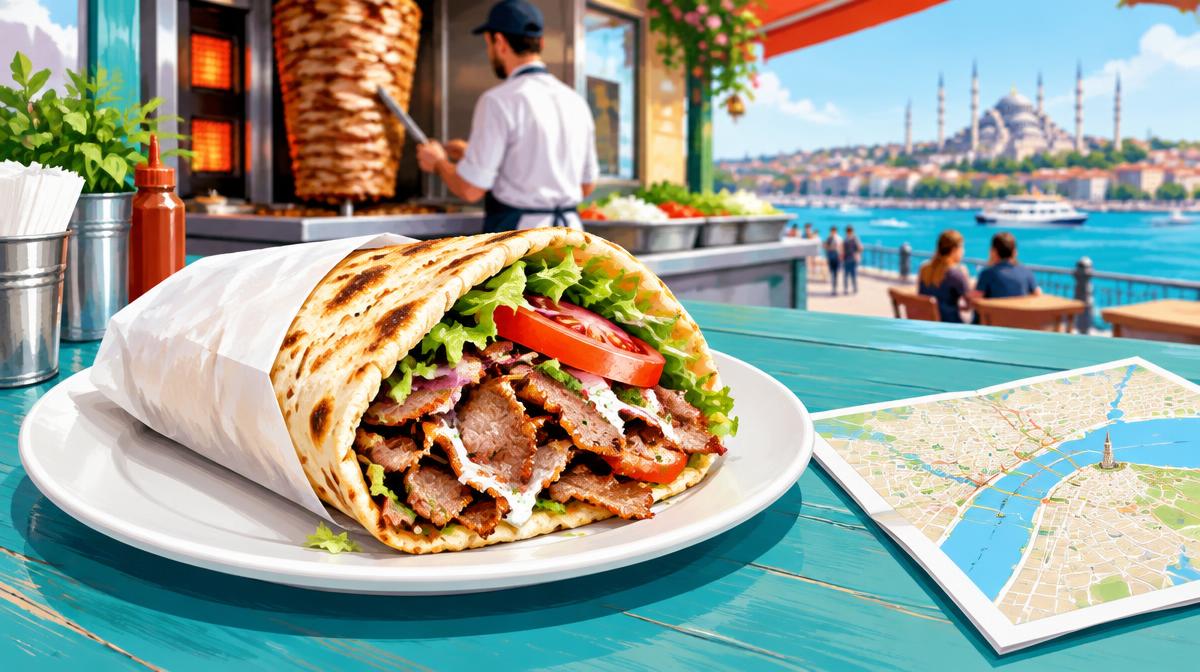
Illustration; not a certification or an example of a verified supplier.
You arrive hungry, spot a döner counter, and recognize a meal you enjoy at home. The menu looks familiar, but it leaves the important question unanswered: does this particular shop meet your halal standard? A Turkish name, an Arabic sign, or a chicken kebab is not enough information to decide.
Why the dish name is not the answer
Kebab, döner, and shawarma describe foods or preparation styles. They do not identify a certifier, a meat supplier, or the controls in the kitchen. A shop's location can help you find options, but it cannot verify the meal in front of you. Treat neighborhood recommendations as a starting point for checking, not as a guarantee.
Our Halal Dining in Europe guide helps you choose areas to explore. Before ordering, verify the individual restaurant rather than relying only on a city rating or an old review.
Ask about the meal, not just the sign
Start with: “Is the chicken or lamb in this wrap halal-certified? Which organization certifies it?” Then ask to see current certification or supplier information. If a certificate is displayed, check whether it covers this shop, the product you want, or only a supplier. Ask the certifier if the scope is unclear.
French organizations ARGML and AVS describe certification of restaurants and meat products on their own websites. Those descriptions show why the certifier and scope matter; they do not establish that an unnamed takeaway is certified. A logo in a photo is less useful than current information you can match to the actual establishment.
Ask separately about sauces and preparation if those affect your standard: “Does this sauce contain alcohol?” and “Are the utensils and grill shared with non-halal meat?” These questions let you make your own decision rather than assuming a general “yes” covers every ingredient and process.
Different travelers may accept different standards
Certification practices are not identical. For example, official guidance for England explains that meat from animals stunned before slaughter can be halal. It would be inaccurate to use “halal” and “non-stunned” as interchangeable terms. If you require a particular method or certifier, say so explicitly and ask for information you can verify.
What if the staff cannot confirm?
Choose another establishment you can verify, or consider a meal that fits your own requirements after checking ingredients and preparation. Vegetarian labeling alone does not settle questions about alcohol or shared equipment. Avoid letting hunger turn an uncertain answer into a confident assumption.
Before the next outing, save a verified dining option near your accommodation and a backup along your route. Our dietary communication guide can help you prepare the questions, and the Istanbul guide adds transit and local logistics around your meal plans.
Sources and verification
Primary-source guidance reviewed October 25, 2026. Policies and certification can change; confirm the current details before relying on a meal.
ARGML: certified restaurants and products
AVS: halal certification and establishment information
GOV.UK: halal and kosher slaughter guidance for England
This is practical travel guidance, not a religious ruling. Follow the certification and preparation standards you normally observe.